
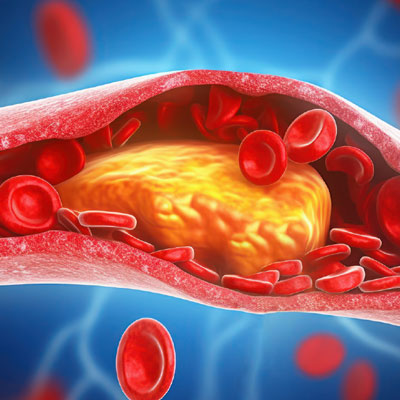
Dyslipidaemia (Cholesterol)
Cholesterol imbalance—also known as Dyslipidemia—occurs when levels of bad cholesterol (LDL), triglycerides, or total cholesterol are high, or when good cholesterol (HDL) is low. Uncontrolled cholesterol can silently increase the risk of heart disease, stroke, and other serious health problems. Early detection and proper management can significantly improve long-term heart health.
Types of Cholesterol Issues We Manage
1. High LDL (Bad Cholesterol)
Leads to plaque build-up in arteries and increases heart risk.
2. Low HDL (Good Cholesterol)
Reduces the body’s ability to remove excess cholesterol.
3. High Triglycerides
Often linked to diabetes, obesity, and poor lifestyle habits.
4. Mixed Dyslipidemia
Combination of high LDL, high triglycerides, and low HDL.
Common Symptoms
Cholesterol problems usually show no symptoms, making regular testing very important.
Advanced cases may lead to:
-
Chest pain
-
Shortness of breath
-
Fat deposits under the skin (xanthomas)
Our Treatment Approach
1. Comprehensive Lipid Profile Evaluation
We check LDL, HDL, VLDL, triglycerides, and overall heart risk factors.
2. Lifestyle & Dietary Changes
Easy-to-follow guidance on heart-healthy foods, portion control, and sustainable eating habits.
3. Weight & Metabolic Assessment
Identifying related issues like diabetes, thyroid disorders, or metabolic syndrome.
4. Medications (If Required)
Statins or other lipid-lowering medicines are prescribed when lifestyle changes alone are not enough.
5. Exercise & Activity Planning
Simple exercise routines to improve cholesterol levels and heart health.
6. Regular Monitoring & Follow-ups
Periodic tests to ensure cholesterol levels remain under control.
Why Managing Cholesterol Is Important
-
Reduces risk of heart attack and stroke
-
Improves blood circulation
-
Supports long-term heart and brain health
-
Helps maintain overall metabolic balance
Take Control of Your Heart Health
With personalized care, lifestyle guidance, and the right medical support, cholesterol levels can be effectively managed for a healthier future.