
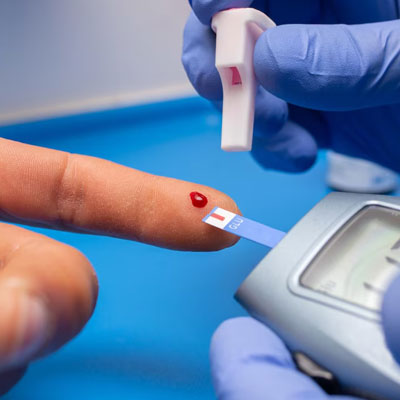
Diabetes Mellitus Type 1 & 2
Diabetes Mellitus is a chronic condition where the body struggles to regulate blood sugar levels. The two most common forms—Type 1 and Type 2—have different causes and treatment approaches, but both require early diagnosis, lifestyle changes, and continuous medical care. Our clinic provides comprehensive evaluation and personalized treatment plans for both types of diabetes.
Type 1 Diabetes
Type 1 Diabetes occurs when the body’s immune system destroys the insulin-producing cells of the pancreas. As a result, the body cannot produce insulin and requires lifelong insulin therapy.
Key Features
-
Usually appears in children, teens, or young adults
-
Sudden onset of symptoms
-
Requires daily insulin
-
Caused by autoimmune destruction of pancreatic cells
Treatment Approach
-
Insulin therapy (basal–bolus, premix, or pump)
-
Continuous Glucose Monitoring (CGM)
-
Carb counting & meal planning
-
Education on managing hypoglycemia
-
Regular follow-ups & dose adjustments
Type 2 Diabetes
Type 2 Diabetes occurs when the body becomes resistant to insulin or does not produce enough of it. It is the most common type of diabetes and is strongly influenced by lifestyle factors.
Key Features
-
Common in adults but increasingly seen in teenagers
-
Gradual onset
-
Often associated with overweight, inactivity, and family history
-
May initially be controlled without insulin
Treatment Approach
-
Lifestyle modification (diet, exercise)
-
Oral medications to improve insulin action
-
Insulin therapy if needed
-
Blood sugar monitoring
-
Weight management & metabolic control
-
Preventive care to avoid complications
Common Symptoms of Diabetes
-
Excessive thirst
-
Frequent urination
-
Unexplained weight loss (more in Type 1)
-
Fatigue
-
Blurry vision
-
Slow healing of wounds
-
Increased hunger
Why Early Management Is Important
-
Prevents complications like kidney disease, nerve damage, heart issues, and vision problems
-
Improves energy levels
-
Helps maintain a healthy weight
-
Improves overall quality of life